

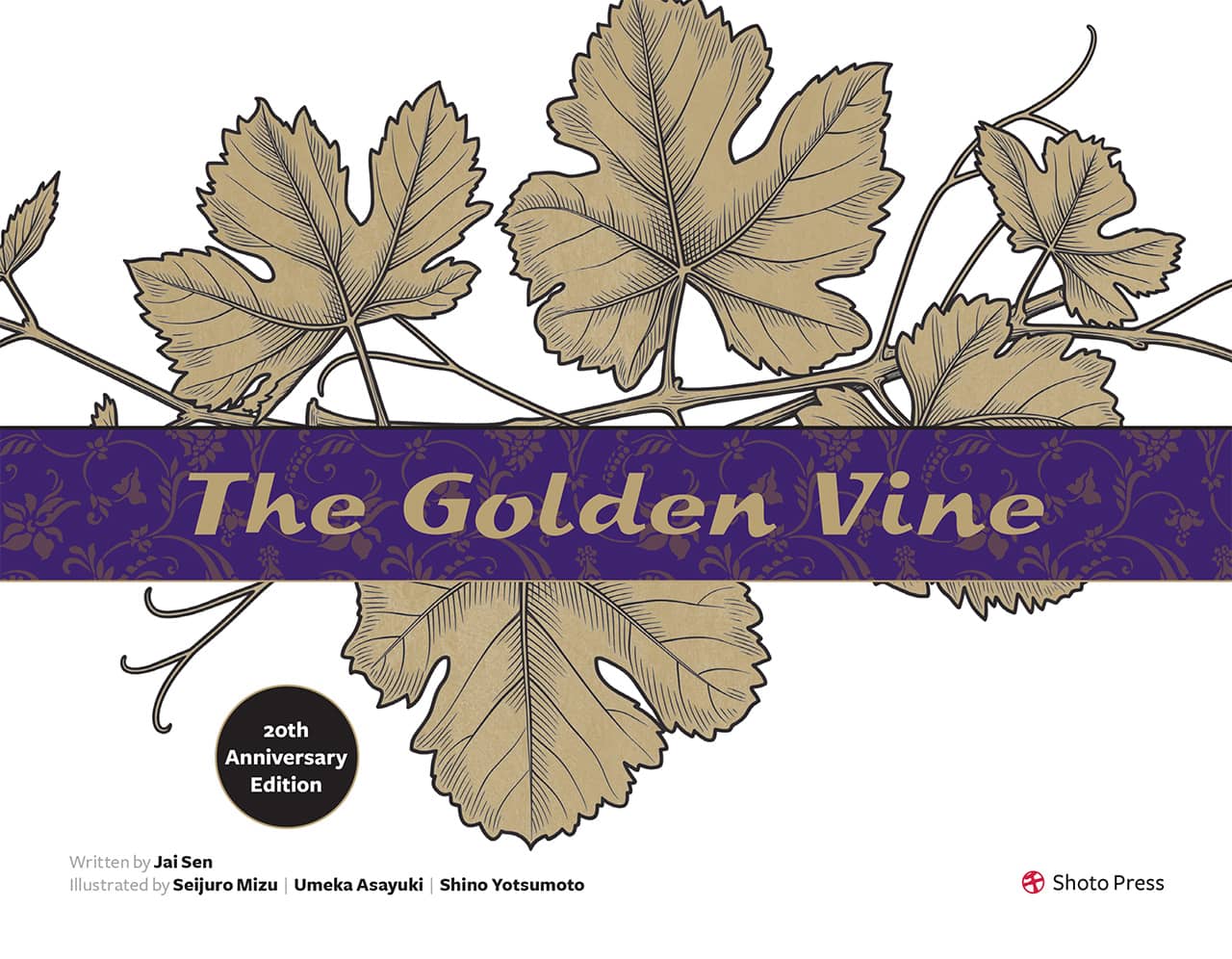
The Golden Vine
Written by Jai Sen. Illustrated by Seijuro Mizu, Umeka Asayuki, Shino Yotsumoto
A world united by prophecy.
A court poisoned by intrigue.
The year is 297 BCE. Alexander the Great has conquered and united humanity into an all-encompassing World Empire. Undefeated by any living force, the emperor is humbled at last by old age.
On his deathbed, Alexander summons his estranged son and heir, Prince Alexander IV, to the world capital. The emperor's message warns of a conspiracy, hints at a secret by which the empire must be ruled, and urges Alexander IV to come at once to claim the throne. But before the prince can reach him, Alexander dies...
The daring alternate history of a unified world, The Golden Vine is gorgeously illustrated in three visual styles. Painstakingly restored and meticulously re-lettered, it is being re-released this winter as a beautiful 20th Anniversary Edition.
The Golden Vine 20th Anniversary Edition
A beautifully restored, meticulously re-lettered edition of the groundbreaking classic. Due for release this winter.
Written by Jai Sen. Illustrated by Seijuro Mizu, Umeka Asayuki, Shino Yotsumoto. 304 pages.
Behind the scenes: Enter the world of The Golden Vine
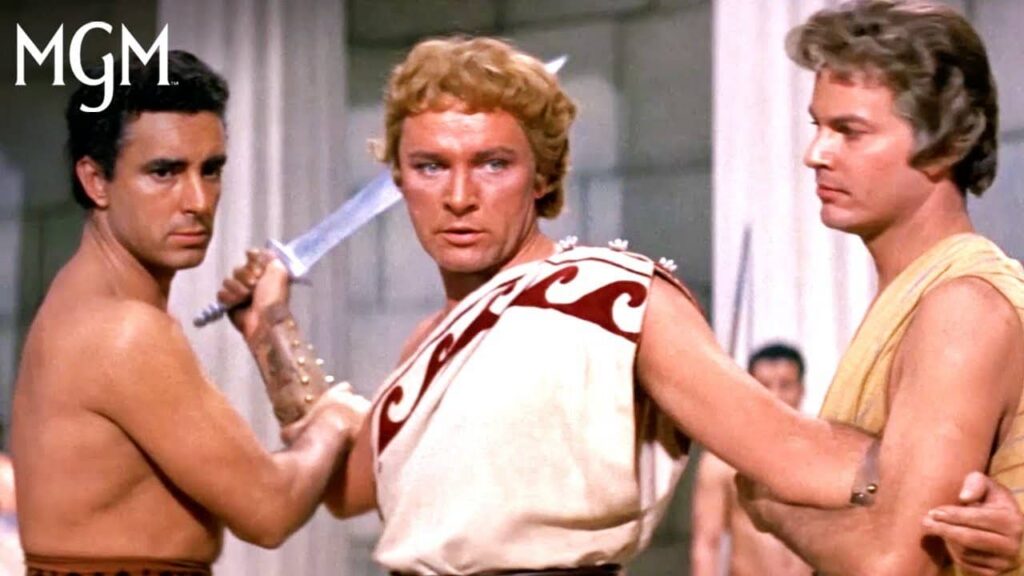
Jai Sen’s timeline of Alexander films and TV
Many films and TV adaptations involving Alexander the Great have been attempted over the years. Author Jai Sen provides commentary.
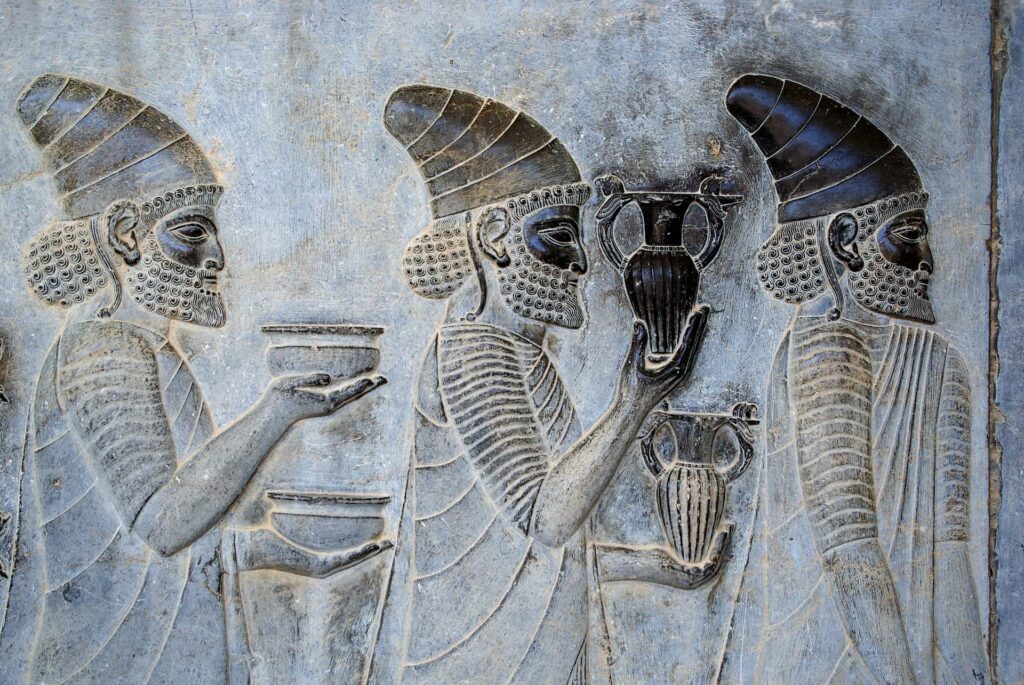
The story of the epigraph
A mysterious epigraph starts the journey of The Golden Vine, and holds many clues about the book’s central themes. Who wrote it, and how does it relate to the story?
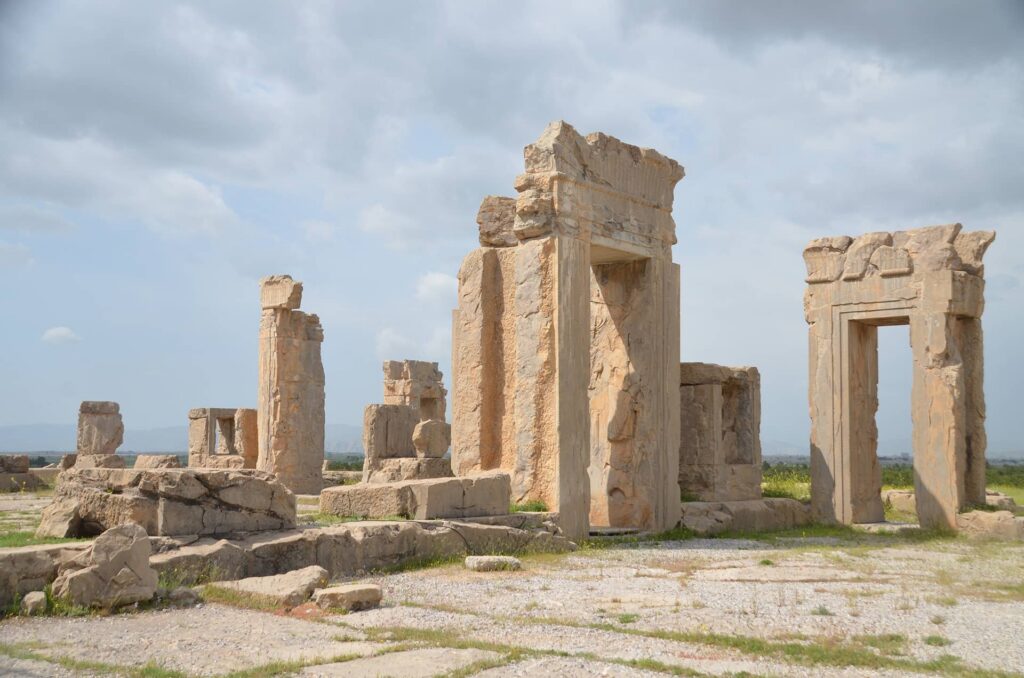
Persepolis: rebuilding the jewel of Persia
In 330 BCE, the historical Alexander set fire to Persepolis, shortly after accepting the city’s surrender. In The Golden Vine, Persepolis doesn’t burn, it’s reimagined.

Heir to empire: Alexander IV
The historical Alexander IV was a prince who was murdered before he could claim a throne. In The Golden Vine, he lives to inherit an empire.
Hephaestion’s story
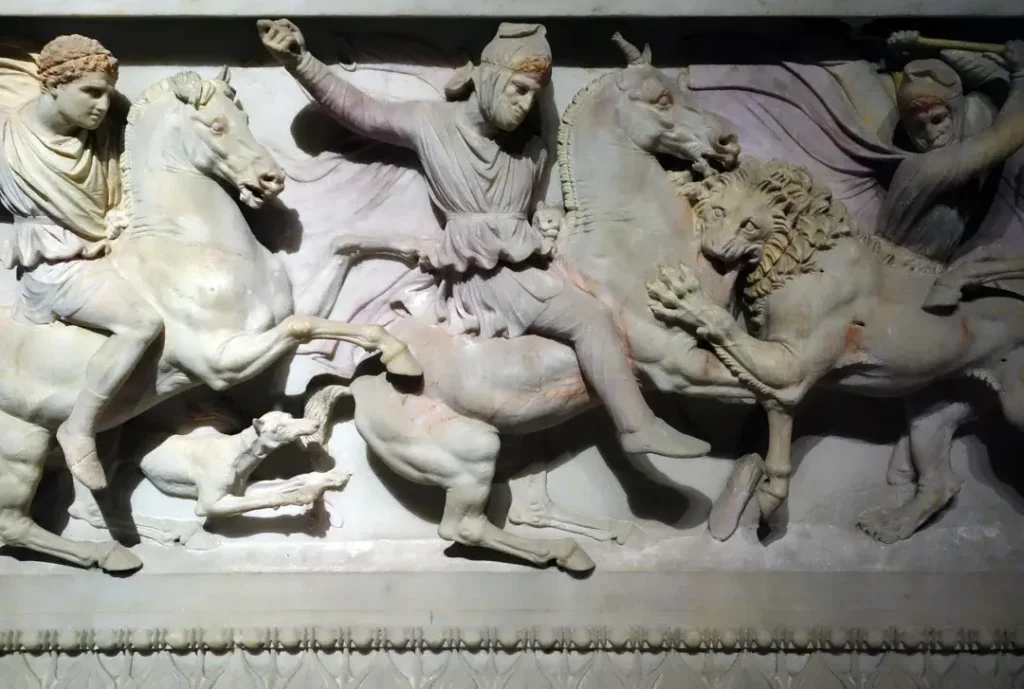
Hephaestion held a crucial role in Alexander the Great’s life, but little is known about him. Who was he, and what is his place in the story of The Golden Vine?
History vs. alternate history
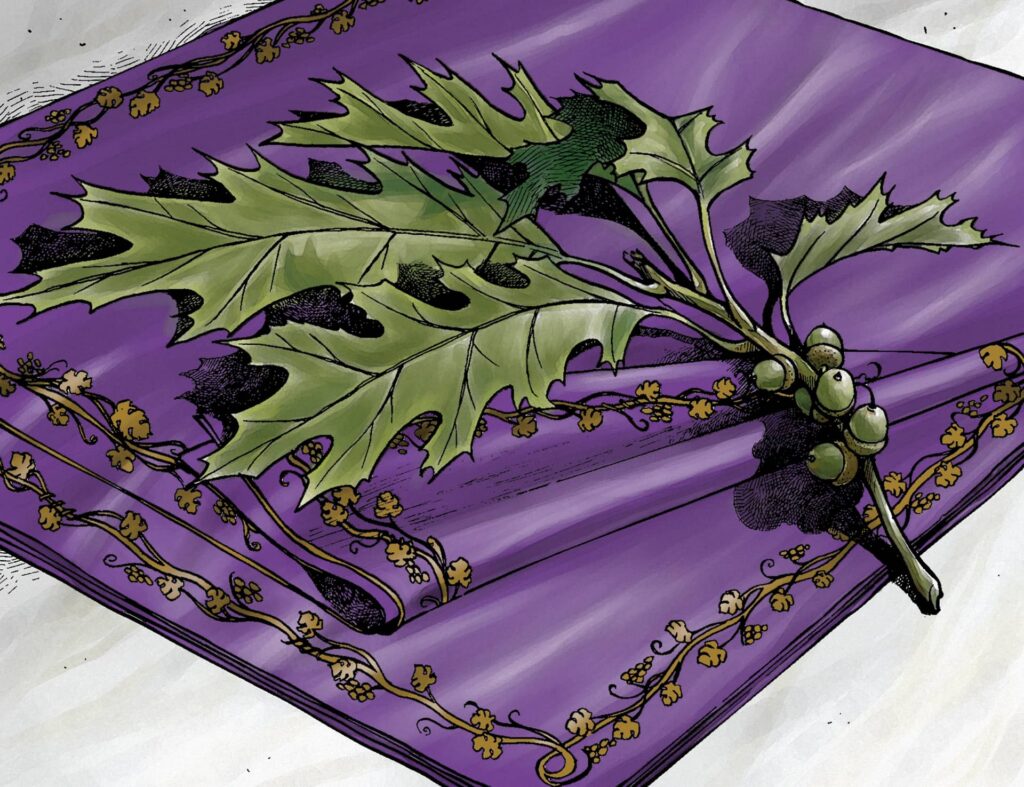
The Golden Vine is faithful to recorded history, but only up to a point. The most compelling question posed by Alexander’s life is “what if he had not died young and succeeded in his campaign to conquer the world?”