
Alexander has been dead for twenty-three centuries, and he has never once stopped being useful.
Every age that tells his story bends him to its own purposes, and the cinema has been no exception. Hollywood gave us a brooding philosopher-king who seemed to be arguing about the Cold War. Italy brought us a benevolent ally for a muscleman in a loincloth. Japan gave us a prophesied destroyer of worlds in a Speedo. Having bent him to my own purposes in The Golden Vine, I am in no position to complain.
What struck me most was India. The very first film I could find with Alexander at its center, Sohrab Modi’s Sikandar (1941), is an Indian one, and so are several that follow. In these films Alexander is rarely the hero, but rather a foil. The real subject is the Indian king who faced him (Porus) and, by extension, a subcontinent that meets a foreign invader with dignity. Sikandar was made under British rule, and nobody in the audience missed the point. By 1977, Chandragupta was defeating Alexander in single combat. History records neither the duel nor an Indian victory, but that’s the point: these films tell us more about the people making them than about the man himself.
A future entry on this list is one I am looking forward to without reservation. Netflix is adapting Annabel Lyon’s beautiful The Golden Mean as a series called Alexander, which will be directed by Jacob Tierney. Lyon’s 2009 novel is one of the finest books ever written about Alexander, and it is barely about Alexander at all. It is narrated by Aristotle: weary, melancholic, witty, and sent to Pella to tutor a brilliant and volatile (possibly psychotic?) boy he can neither tame nor abandon. Lyon writes the ancient world as though she were standing on its soil, and her Aristotle is the most humane portrait of the philosopher I know. (I certainly was not so kind to him, nor did I bother to look into his heart as Lyon did, before I swept him aside in the currents of my Alexander’s genius.) I loved Lyon’s book.
And I can’t think of a better person to bring it to the screen. Tierney wrote and directed Heated Rivalry, the hockey romance that became one of the television events of 2025, and he made it with enormous tenderness. An Alexander from the man who made it promises to take Hephaestion seriously at last, and to treat the mentor and his student as people rather than monuments. Until it arrives, here is everything that came before.
Films about Alexander

1941 Sikandar (India, Hindi)
Director: Sohrab Modi
Main cast: Prithviraj Kapoor (Alexander), Sohrab Modi (Porus), Vanmala (Rukhsana/Roxane), Meena Shorey, K. N. Singh (Ambhi), Shakir (Aristotle)
A Minerva Movietone epic from my homeland that picks up after the conquest of Persia and concentrates on Alexander’s confrontation with Porus at the Jhelum River, with battle scenes staged at Kolhapur using thousands of extras, horses and elephants. Released during the Second World War and the independence struggle, it was widely received as an allegory of an Indian king standing up to a foreign invader. It is the earliest surviving film I have been able to find with Alexander as a central figure.
1956 Alexander the Great (USA/Spain, English)
Director: Robert Rossen
Main cast: Richard Burton (Alexander), Fredric March (Philip II), Danielle Darrieux (Olympias), Claire Bloom (Barsine), Barry Jones (Aristotle), Harry Andrews (Darius), Michael Hordern (Demosthenes), Stanley Baker, Peter Cushing
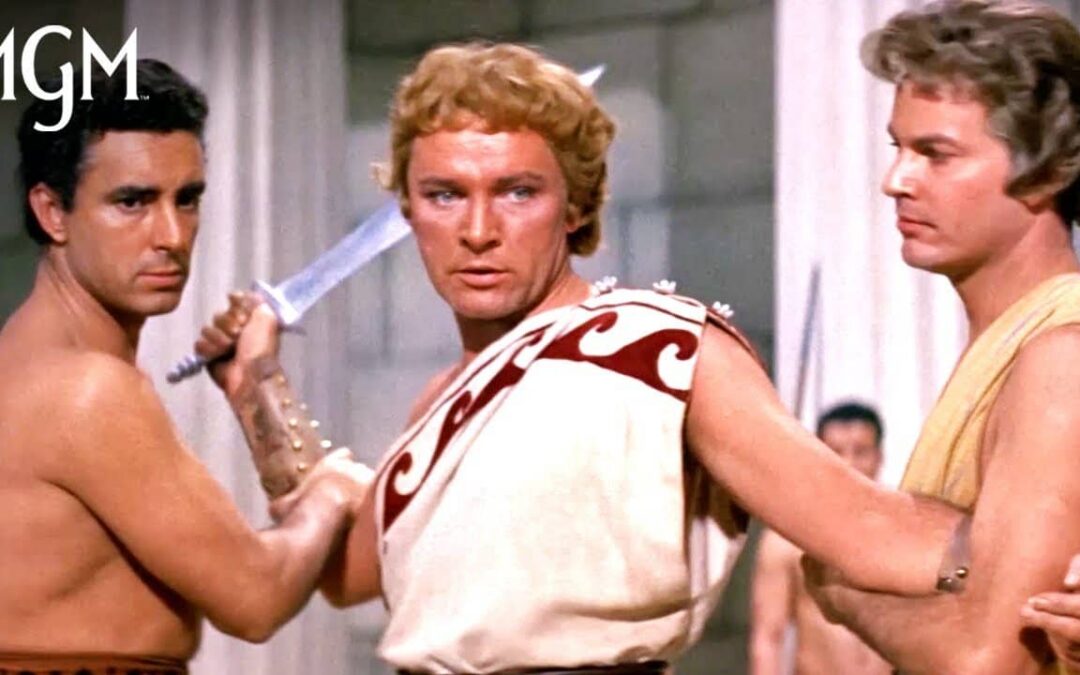
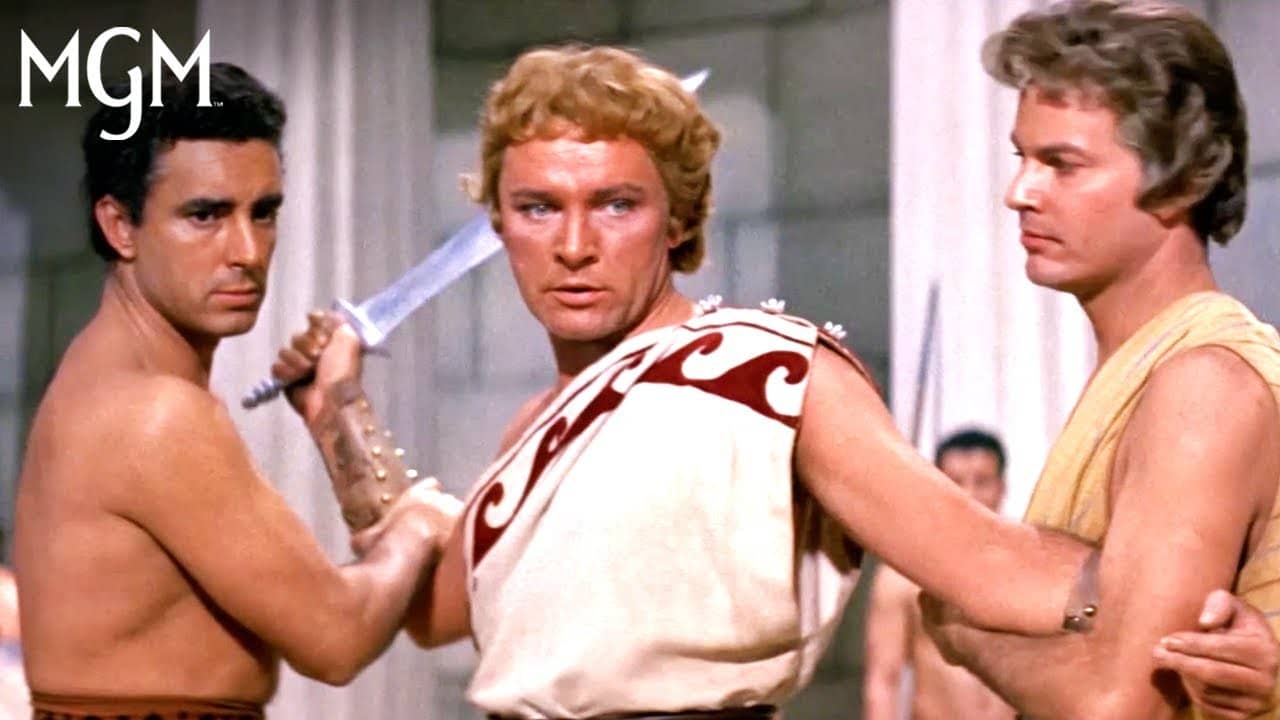
The first Western epic devoted to Alexander, written, produced and directed by Rossen and shot in Spain in CinemaScope and Technicolor. It runs from Alexander’s birth to his deathbed and leans heavily on Plutarch. The classicist Jon Solomon rated it among the most historically faithful films about antiquity, but I have quibbles with the costumes, locations, and a number of anachronisms that annoy people like me. Among them are people handling modern bound books (not scrolls), and the presence of women in the Athenian Assembly (there should have been, but historically there weren’t). Rossen’s original cut ran about three hours, but the studio trimmed it to roughly 136 minutes for general release. The result is incoherent, even if you can swallow Richard Burton as a 16-year-old Alexander. I could not. He was 29 at the time, not looking a day under 45. In one bright note, Fredric March was believable to me as Philip (scenery chewing and all).
1965 Sikandar-e-Azam (India, Hindi)
Director: Kedar Kapoor
Main cast: Dara Singh (Alexander), Prithviraj Kapoor (Porus), Mumtaz, Helen (Rukhsana), Veena (Olympias), Prem Nath, Prem Chopra
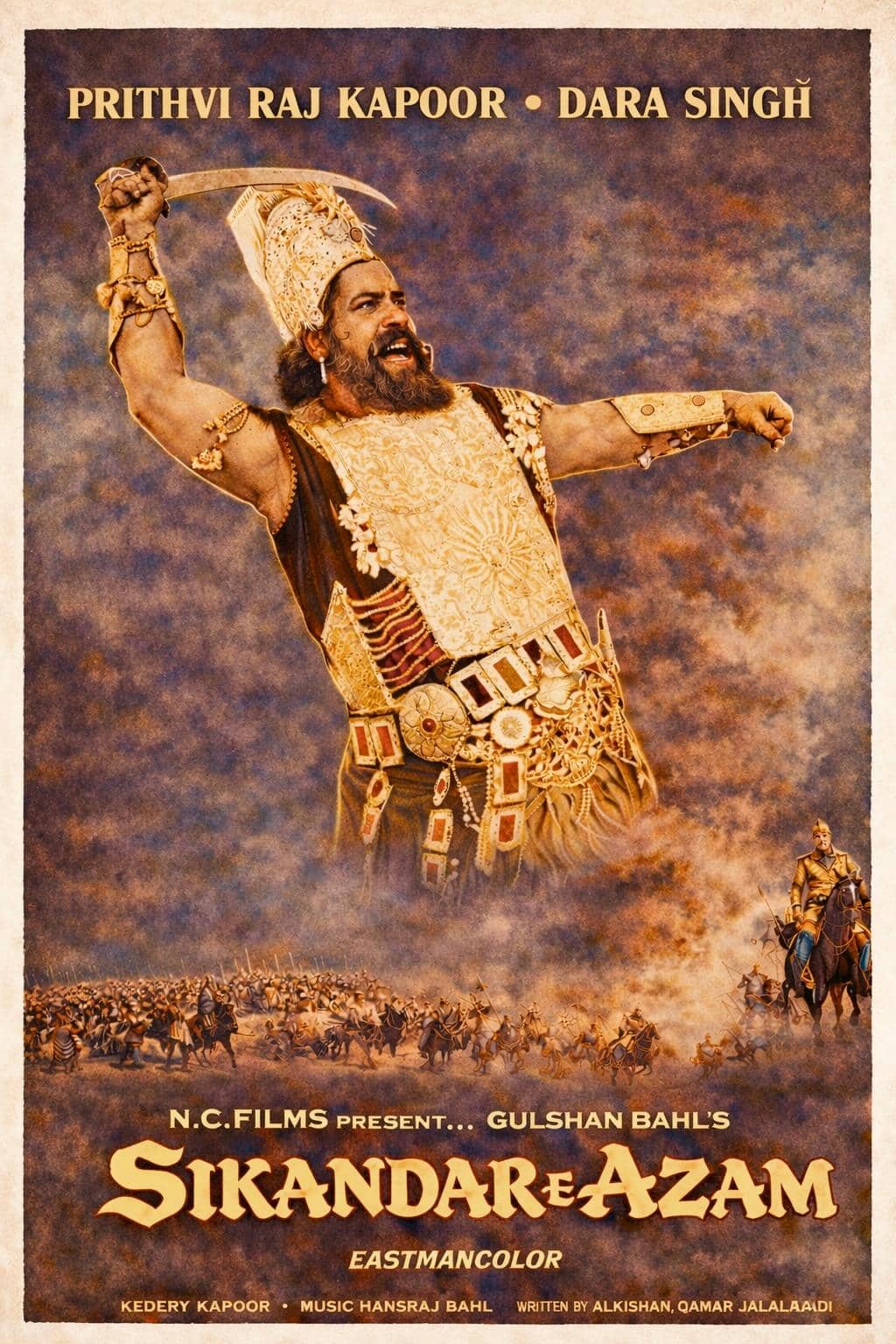
Another Indian entry into this eclectic collection, a technicolor-era retelling of the Alexander vs. Porus story, starring the wrestler Dara Singh as Alexander. Its first half covers his youth and his mother’s dream of a world-conquering son before moving on to the episode at the Jhelum, an understandable preoccupation of Indian films on this subject. We are proud of being the place that finally stopped the invincible Alexander, though it's more accurate to say that our it was our subcontinental climate that made Alexander’s army finally refuse to go on. This is, until I messed things up and wrote an Alexander that did manage to conquer India. I’m not one to throw stones, but the film takes more liberties with historical events than its Western counterparts. In a neat piece of casting, Prithviraj Kapoor, who played Alexander in Sikandar in 1941, switches sides in this one to play Porus. Like so many Indian films throughout history, the soundtrack glows more brightly in memory than the film it supports.
2004 Alexander (USA, English)
Director: Oliver Stone
Main cast: Colin Farrell (Alexander), Angelina Jolie (Olympias), Val Kilmer (Philip II), Anthony Hopkins (Ptolemy), Jared Leto (Hephaestion), Rosario Dawson (Roxane), Christopher Plummer (Aristotle)
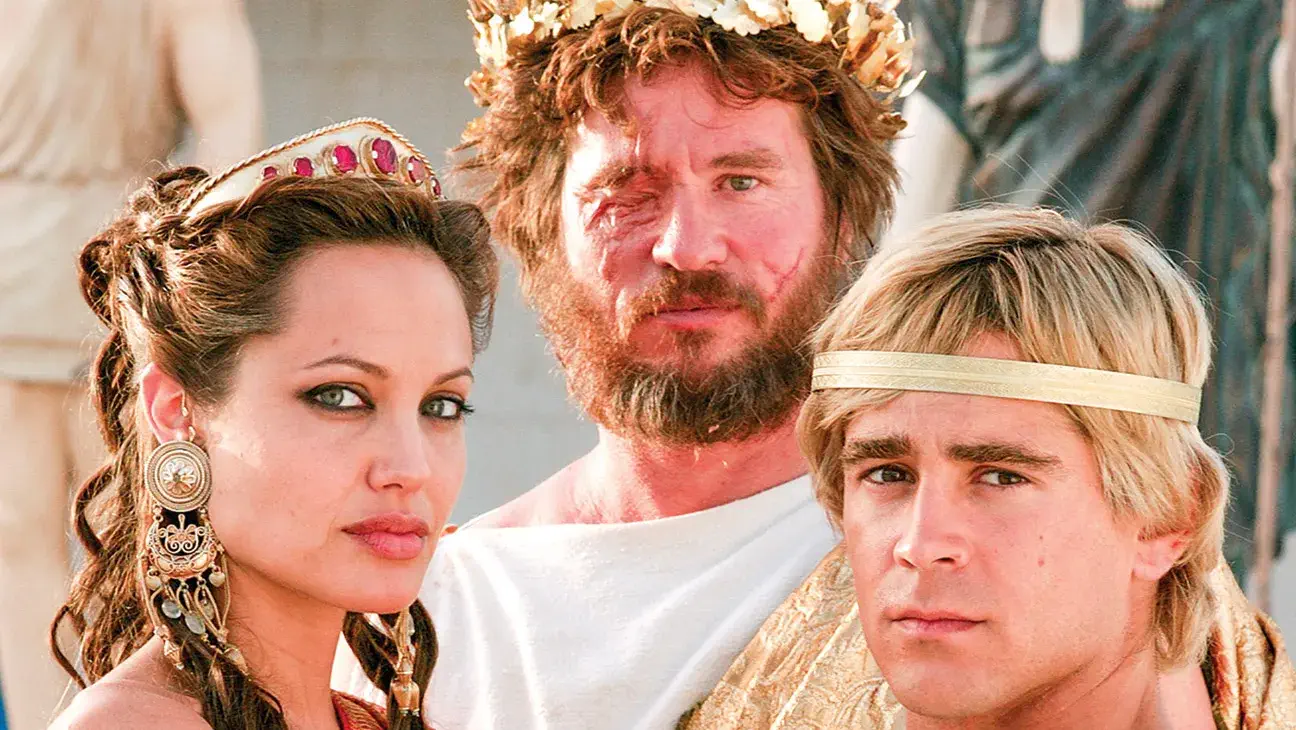
A $155 million epic framed as the aged Ptolemy (played by Anthony Hopkins) dictating Alexander’s life story in Alexandria. Ptolemy’s own account of Alexander’s exploits was a primary source for Alexander’s early biographers, but it is now lost to history, so I appreciated this approach to storytelling in what it attempts to recreate. The great Robin Lane Fox served as historical consultant (the film draws on his 1973 biography, Alexander the Great, which, along with his Search for Alexander, were among my sources too). Shockingly, Colin Farrell's wig goes uncredited. The film has been re-edited several times, including a 2007 “Revisited” Final Cut and a later Ultimate Cut. A friend kindly conveyed a copy of The Golden Vine to Stone to add to his collection of Alexander items. I never heard what he thought of it.
Films, TV, and docudramas featuring Alexander
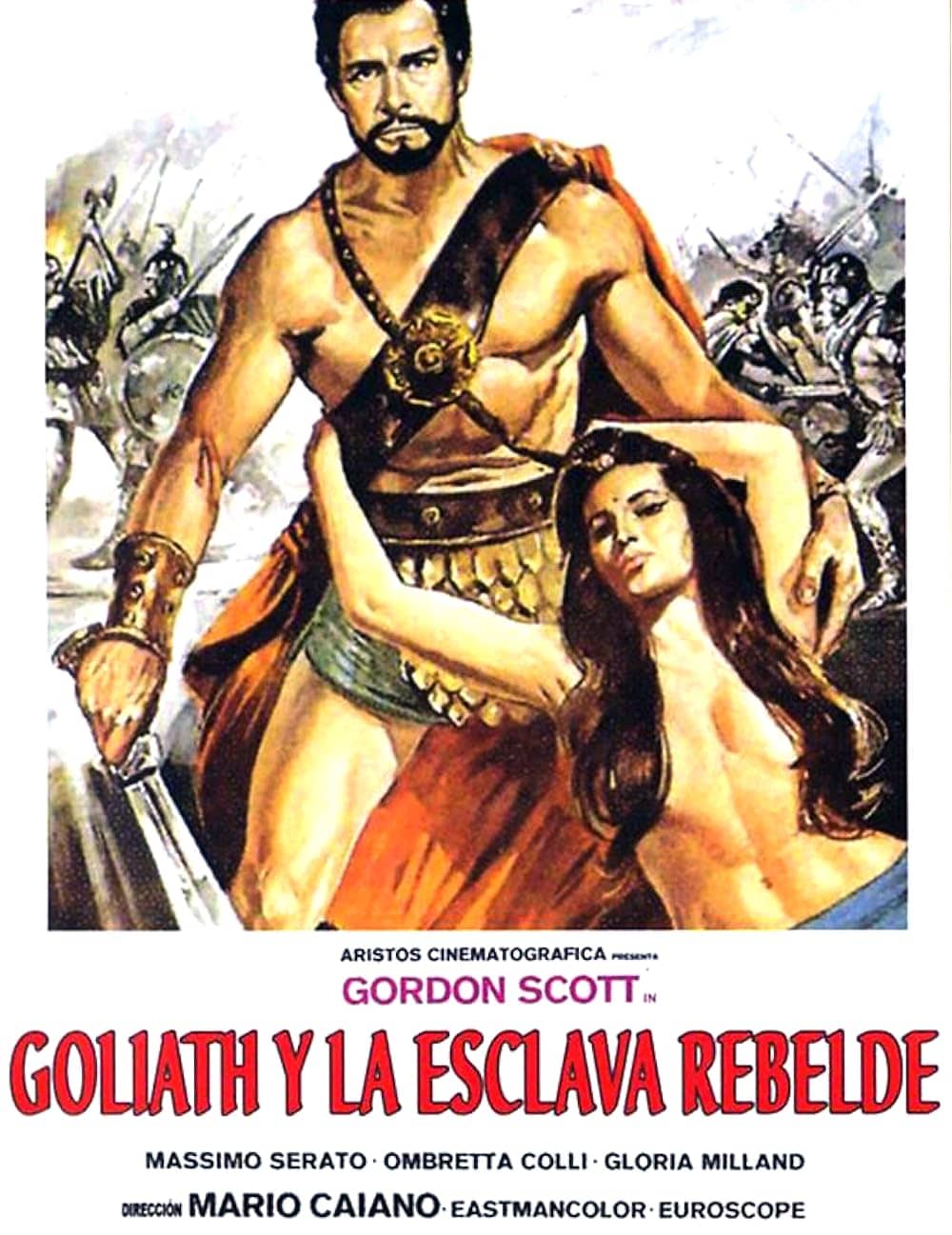
1963 Goliath and the Rebel Slave (Italy/France)
Director: Mario Caiano
Main cast: Gordon Scott (Goliath), Ombretta Colli (Princess Cori), Massimo Serato, Mimmo Palmara, Gabriele Antonini (Alexander)
This tawdry little gem is an Italian film in which the kingdom of Lydia is caught between Alexander’s advancing army and Darius, and the muscleman hero backs an alliance with Alexander against Persian-bribed traitors at court. I’ve always wondered whether Frank Miller’s 300 found some of its inspirations here: the intrigues feel similar. Alexander is a supporting figure, and reviewers have long read the plot as a Cold War parable about choosing sides.
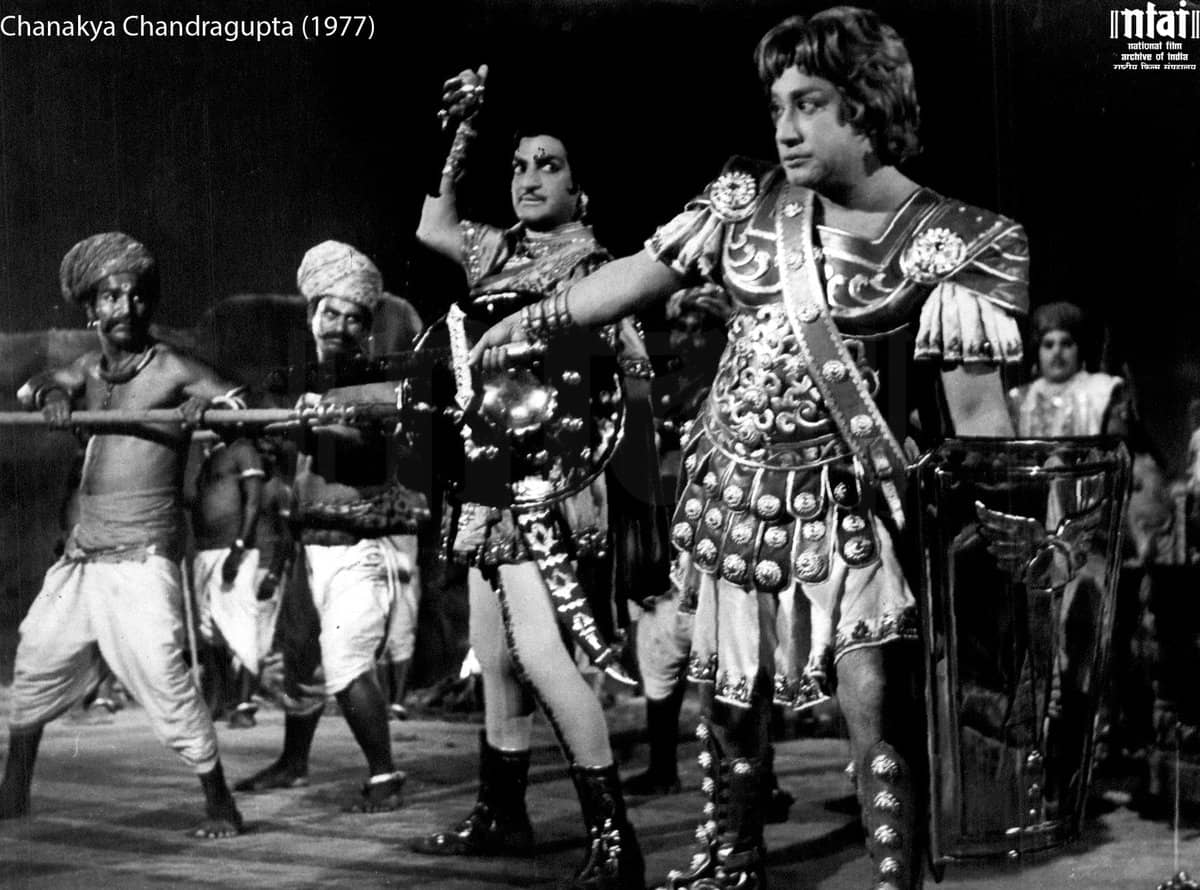
1977 Chanakya Chandragupta (India, Telugu)
Director: N. T. Rama Rao
Main cast: N. T. Rama Rao (Chandragupta Maurya), Akkineni Nageswara Rao (Chanakya), Sivaji Ganesan (Alexander), Jaya Prada
Continuing the theme of Indian films about or featuring Alexander, this is an all-star Telugu epic about Chanakya and Chandragupta founding the Maurya empire. It opens with Alexander’s invasion of India as the threat that sets the story in motion, with the Tamil star Sivaji Ganesan as Alexander. The film’s climactic duel in which Chandragupta defeats Alexander, entertaining as it is, is completely invented. Plutarch and Justin record only that the young Chandragupta (Androcottus or Sandrocottus to the Greeks) met Alexander (much less that anyone defeated him in a swordfight). For me, it’s always intriguing to see how others have interpreted Alexander and how they bend him to fit whatever their agenda is. (Guilty as charged, I suppose.)
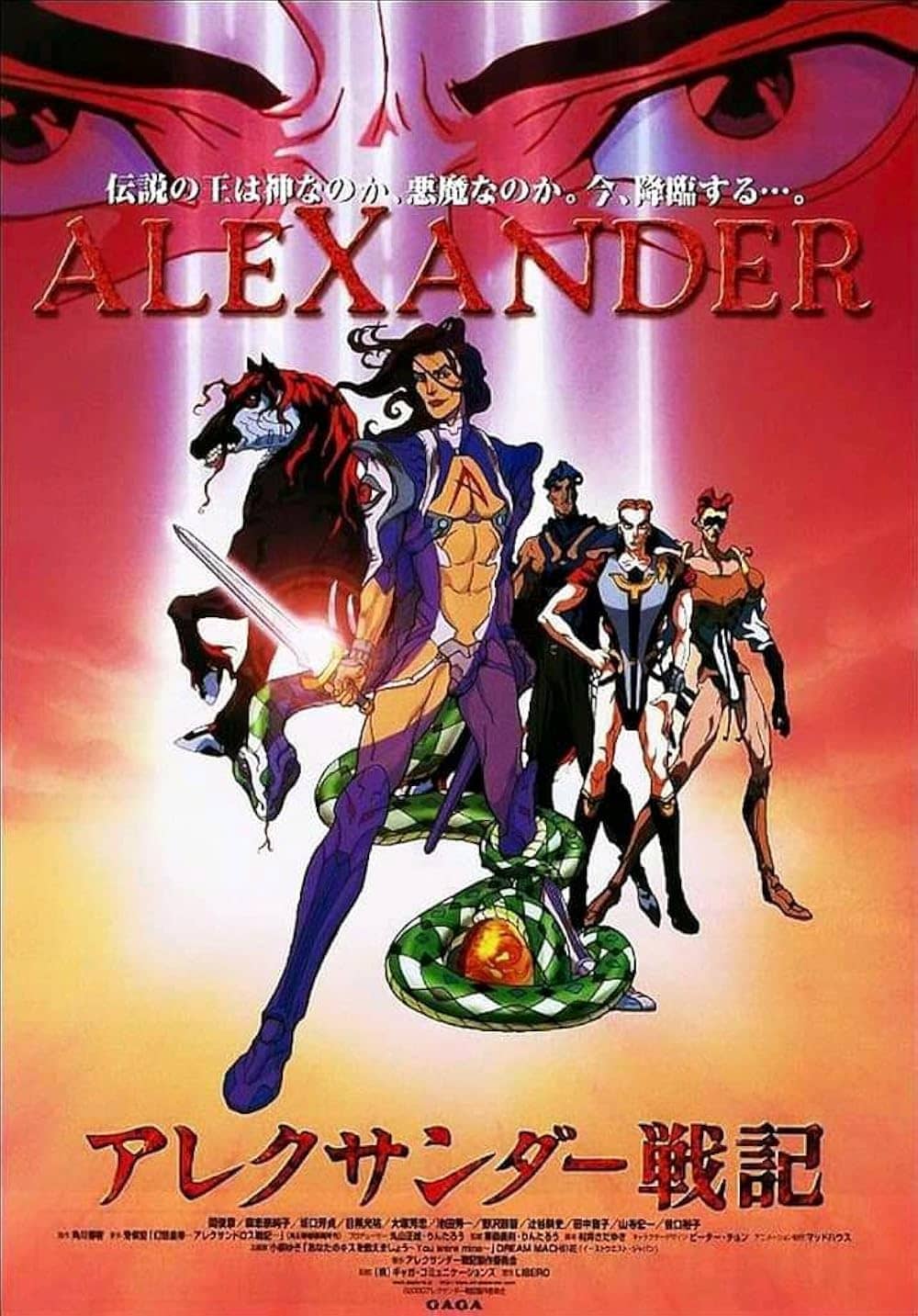
2000 Alexander: The Movie (Alexander Senki Gekijōban; Japan, animated)
Director: Yoshinori Kanemori and Rintaro (Madhouse)
Main cast: Japanese voice cast; in the English dub of the parent series, Alexander is voiced by John DeMita
A 75-minute compilation film recut from the 1999 anime series Reign: The Conqueror, adapted from Hiroshi Aramata’s novels, with character designs by Æon Flux creator Peter Chung. It is a surreal, science-fantasy reimagining built around a prophecy that Alexander will destroy the world, and it was never released in the US. I imagine it would have caused considerable confusion if it had been. When I met with the artists who illustrated The Golden Vine, they very much had this film in mind, and helpfully suggested that my story might benefit from a few robots. I vividly remember my initial horror at the delicately filigreed weapons and classically Peter Chung-imagined emaciated figures of Alexander and Hephaestion. I wonder at the reasons for dressing the entire cast (including the horses, as I recall) in Speedos, a creative decision known best and only to Peter Chung. But why not? It weirdly works.
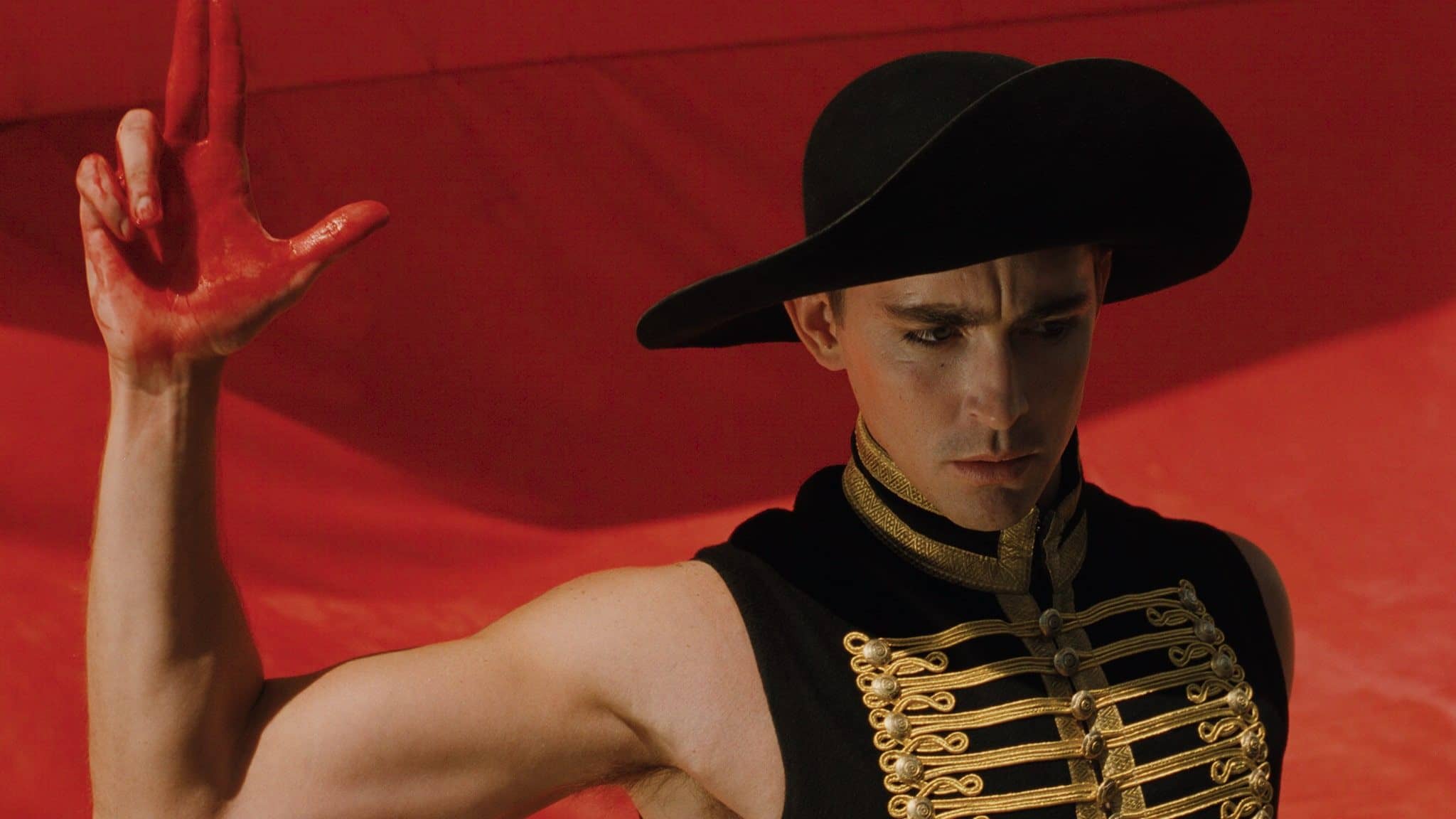
2006 The Fall (USA/India)
Director: Tarsem Singh
Main cast: Lee Pace, Catinca Untaru, Justine Waddell; Kim Uylenbroek as Alexander the Great
An injured stuntman in a 1920s Los Angeles hospital spins an epic tale for a young girl, and one of its embedded episodes is a brief, strikingly shot vignette of Alexander and his men in the desert. Alexander appears merely in a cameo (or as a cautionary tale) rather than a subject, but I include this film here for completeness, and as further proof of how large Alexander looms (however surreally) in the Indian cultural imagination—again, guilty as charged.
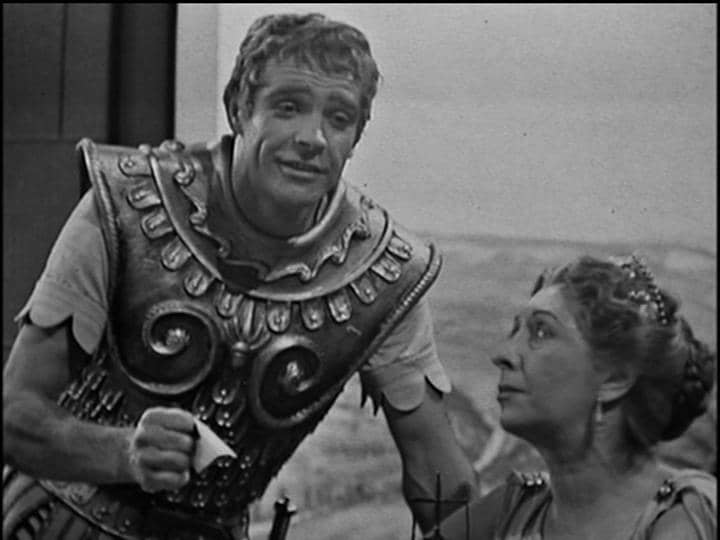
1961 Adventure Story (BBC television play, UK)
Director: Rudolph Cartier
Main cast: Sean Connery (Alexander), William Russell (Hephaestion), Margaretta Scott (Olympias), Paul Stassino (Darius), Lyndon Brook (Philotas)
A filmed adaptation of Terence Rattigan’s stage play in which the dying Alexander, feverish in Babylon, relives his conquests and soured friendships. It was Connery’s first starring role, a year before Bond. The recording survives. An earlier live BBC version from 1950 starred Andrew Osborn. I’m afraid Connery was no less wooden in his youth than in his Bond years, though at least he looked the part a bit more convincingly than Richard Burton in Alexander the Great (1956) five years prior.
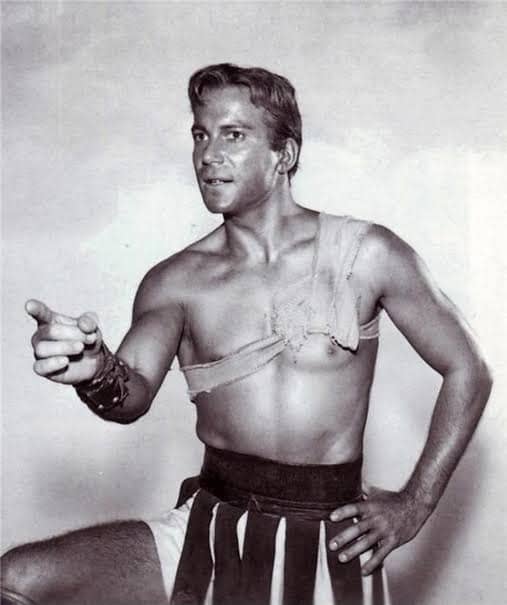
1968 Alexander the Great (TV film / unsold ABC pilot, USA)
Director: Phil Karlson
Main cast: William Shatner (Alexander), Adam West (Cleander), John Cassavetes (Karonos), Joseph Cotten (Antigonus), Simon Oakland
I would not blame you for knowing nothing about this one. Shot as a series pilot around 1963–64, shelved, and finally broadcast in January 1968 once Shatner (Star Trek) and West (Batman) had become famous. It follows the campaign against Darius and a traitor in Alexander’s camp, borrowing battle footage from an older film. It’s precisely as awful as you would expect, but you can’t help but admire the sincerity with which both Shatner and West approached the material.
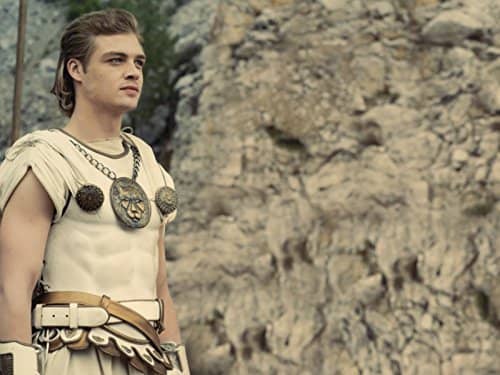
2014 Alexander the Great (Terra X: Alexander der Große; Germany, docudrama)
Directors: Christian Twente and Martin Carazo Mendez
Main cast: David Schütter (Alexander), with historians including Alexander Demandt and Hans-Joachim Gehrke
A ZDF/Arte/ORF docudrama mixing reenactment with expert commentary, tracing Alexander from his birth in 356 BC to his death in 323 BC. It premiered on Arte as a 90-minute film and was then shown on ZDF as two parts.
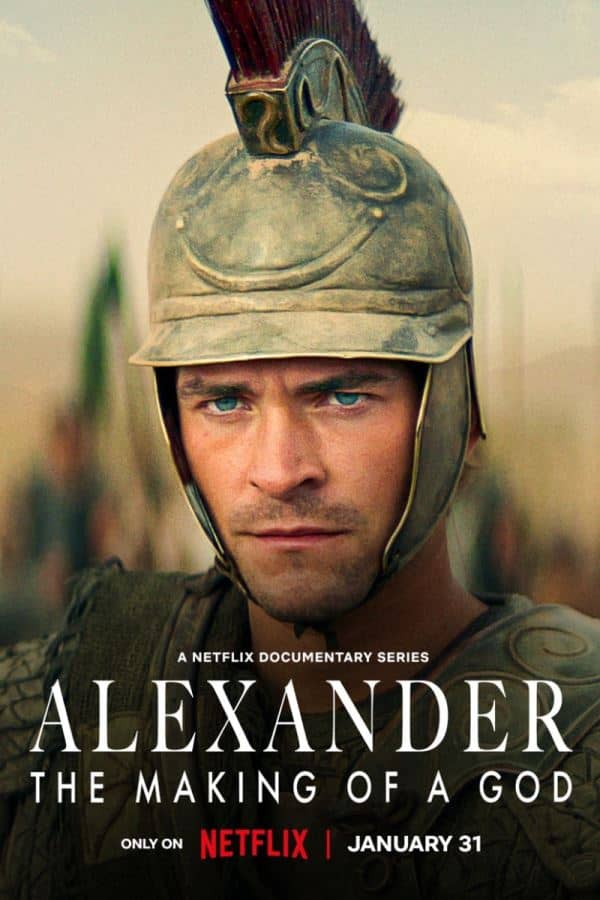
2024 Alexander: The Making of a God (Netflix docudrama series, UK)
Directors: Hugh Ballantyne, Stuart Elliott, Mike Slee
Main cast: Buck Braithwaite (Alexander), Mido Hamada (Darius III), Will Stevens (Hephaestion), Kosha Engler (Olympias), Agni Scott (Stateira)
A six-part series that dramatizes scenes interleaved with historians such as Lloyd Llewellyn-Jones and Ali Ansari. It covers Alexander’s accession through the defeat of Darius and his self-presentation as divine. Intriguingly, the opening device is a priestess at the temple of Zeus-Ammon in Siwah uttering a prophecy that Alexander and Darius were about to clash. I was more surprised at the presence of a priestess in a temple known to be attended only my male priests than by her impressive oracular powers. Still, a good way to get in some exposition.